- +91 8055996347
- info@3dreality.in
- Chapru nagar square, CA road, Nagpur, Maharashtra-440008

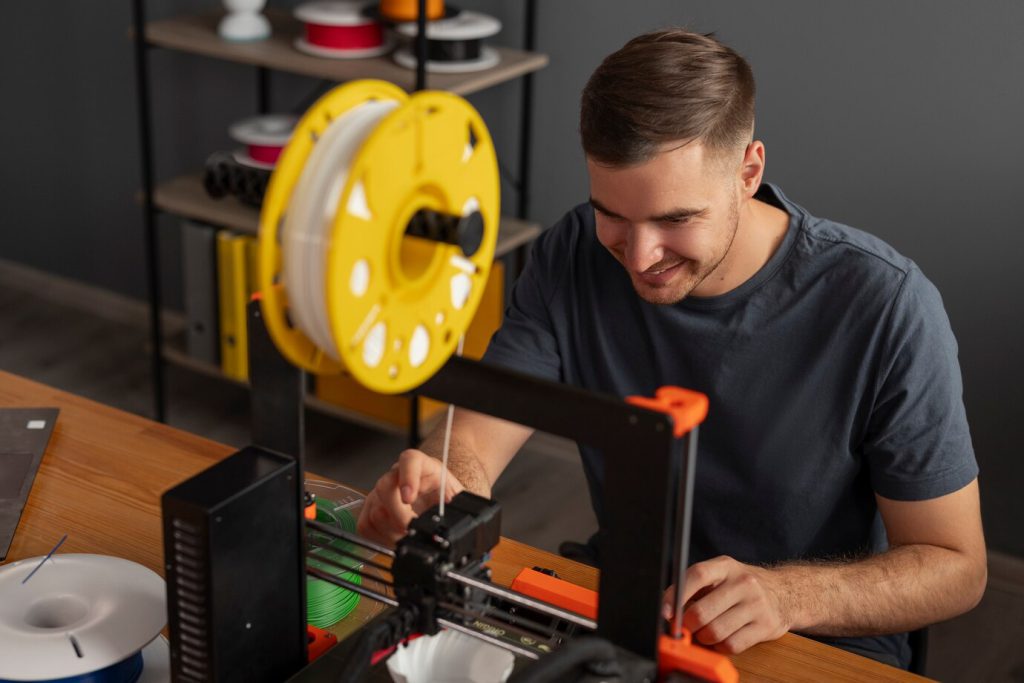
As a 3D printing enthusiast, we found that choosing the right filament is critical for a successful print. When we first started, we gravitated toward PLA filament because it was recommended as the best for beginners—and we weren’t disappointed! PLA is easy to work with, produces beautiful prints, and doesn’t require any complicated setup. We quickly realized that it’s not just for beginners; many experienced makers also prefer it for projects like prototypes, decorative pieces, and educational models.
Let’s explore what makes PLA filament so special!
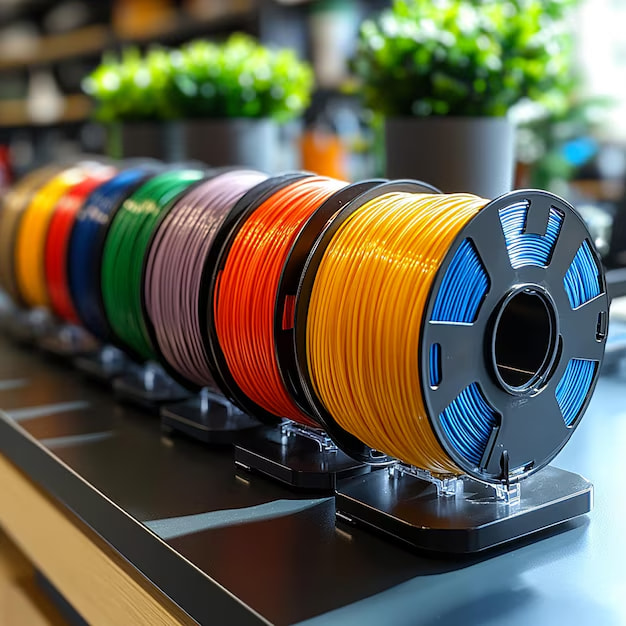
Polylactic Acid (PLA) filament is one of the most widely used materials in 3D printing, and for good reason! Whether you’re a beginner or an expert, PLA offers a range of benefits that make it ideal for a variety of projects.
PLA is a biodegradable thermoplastic made from renewable resources like corn starch and sugarcane. This makes it an eco-friendly option for 3D printing enthusiasts.
PLA is loved for its ease of use and versatility. It prints at lower temperatures (180°C to 220°C) compared to other materials like ABS, which makes it a great starting point for beginners. Plus, it doesn’t require a heated bed, which can save energy and simplify the process.
Here are the main benefits of PLA:
PLA is ideal for projects that don’t need high strength or heat resistance. Common applications include:
5. Environmental Impact
One of PLA’s standout features is its sustainability. Made from renewable sources, PLA is biodegradable under certain conditions, making it a greener option for eco-conscious makers. However, proper disposal is key as it requires industrial composting to degrade efficiently.
Conclusion
PLA filament is a fantastic option for beginners and professionals alike. Its ease of use, affordability, and eco-friendly nature make it a top choice for a wide range of 3D printing projects. Whether you’re printing prototypes, educational models, or decorative objects, PLA is the go-to filament for hassle-free, high-quality results.
For more information on PLA filament and to explore our range of options, visit 3D Reality!